The Ultimate Alpine Drive
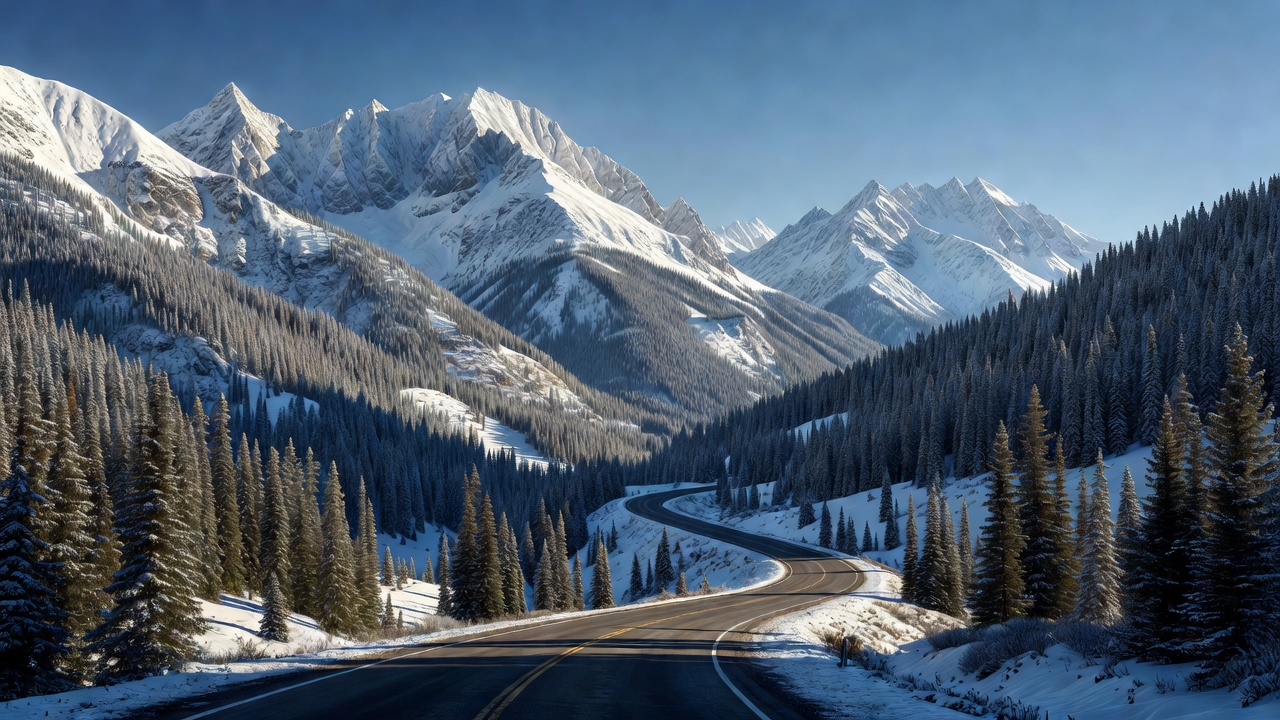
The Icefields Parkway (Highway 93 North) is widely considered one of the most scenic drives in the world. Stretching 144 miles from Lake Louise in Banff National Park to the town of Jasper in Jasper National Park, the route is completely devoid of commercial development. There are no billboards, no large towns, and hardly any cell service. Instead, you are treated to a continuous panorama of the Continental Divide, bordered by towering limestone peaks, dense coniferous forests, and icefields that date back to the last ice age.
Key Waypoints and Lakes
While the drive itself can be completed in about three hours without stopping, doing so misses the entire point of the route. Four to six days is ideal to explore the numerous pull-offs and short trails.
The Southern Stretch: Lakes and Peaks
Starting near Lake Louise, the road climbs steadily. Early highlights include Bow Lake, sitting at the base of the Crowfoot Glacier. A few miles further is Peyto Lake, accessed via a short hike to a high viewpoint. Peyto Lake is famous for its brilliant turquoise color—a result of light reflecting off "rock flour," fine silt ground down by glacial movement and suspended in the meltwater. Continuing north, the road follows the deep chasm of Mistaya Canyon, where rushing water has carved smooth, swirling patterns into the rock walls.
The Columbia Icefield
The undeniable centerpiece of the parkway is the Columbia Icefield, the largest ice field in the Rocky Mountains. As the highway crests Sunwapta Pass, the massive Athabasca Glacier comes into view. This is one of the few places in the world where you can park your car and walk directly up to (and onto, with a guide) a living glacier. The sheer scale of the ice mass is humbling, though markers indicating its rapid retreat over the last century provide a stark visual lesson in climate shifts.
The Northern Descent into Jasper
Moving north into Jasper National Park, the elevation drops and the landscape widens. Two major waterfalls demand stops: Sunwapta Falls and Athabasca Falls. Both showcase the raw power of glacial rivers forced through narrow limestone gorges. The final stretch into the town of Jasper offers frequent sightings of elk grazing in the wider river valleys.
Wildlife Along the Parkway
The Canadian Rockies support a healthy and diverse ecosystem. Drivers should be constantly alert for wildlife crossing the road.
- Bears: Both grizzly and black bears are frequently seen foraging for berries alongside the parkway, especially in early summer. Remain in your vehicle if you spot a bear near the road.
- Bighorn Sheep: Often found licking salt off the tarmac, particularly near high passes and rocky outcrops.
- Mountain Goats: Look up. These sure-footed climbers are often seen as white specks high on the steep cliff faces above the tree line.
- Elk and Caribou: Elk are common near the townsites of Jasper and Banff, while the woodland caribou, though rare, can occasionally be spotted in the northern sections.
Driving Conditions & Preparation
The Icefields Parkway is a remote, high-elevation road. Preparation is absolutely critical for a safe journey.
Fuel and Facilities: There is only one seasonal gas station on the entire 144-mile route, located at Saskatchewan River Crossing. Fuel here is incredibly expensive. It is highly advised to fill up completely in Lake Louise or Jasper before beginning the drive. Restrooms are available at major trailheads, but food options are limited to a small cafe at the crossing and the Icefield Centre.
Weather Variability: Mountain weather is notoriously unpredictable. Even in the peak summer months of July and August, it is possible to encounter snow at the higher passes (Bow Pass and Sunwapta Pass). Winter tires or chains are legally required from November 1 through April 1, and the road can close without warning due to avalanches or heavy snowfall during the winter and spring.
Passes: A valid Canadian National Park pass is required to drive the parkway, as it sits entirely within the boundaries of Banff and Jasper National Parks.